Tagged vs Untagged Beats: Why Producers Watermark
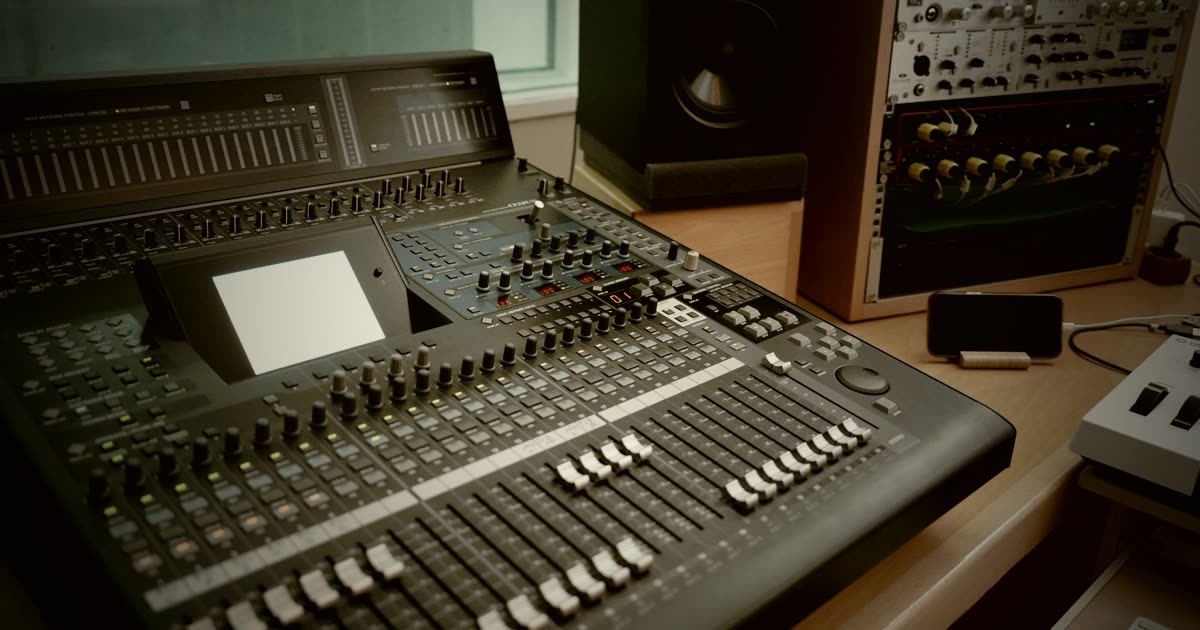
Download a free beat and you'll hear a producer's voice or a sound effect every 20 seconds. That's the tag. It frustrates a lot of new artists — here's what it's actually for and how to work with it.
Why the tag exists
The tag is a watermark. It makes the file useless for commercial release while leaving it perfectly usable for writing and demoing.
Without it, "free download" would mean "free beat," and producers would have no business. With it, producers can let thousands of artists live with a beat before deciding to buy — which is better for you than a 30-second preview.
It's not a trust issue. It's the mechanism that lets free demos exist at all.
What you can do with a tagged beat
Legitimately, and encouraged:
- Write to it. Live with it for a week, test whether your ideas work over it.
- Record a demo. Full verse, full hook, real take.
- Send it to collaborators. Feature verses, feedback, opinions from people you trust.
- Practice performing it.
That's the entire purpose. Every beat on this site has a free tagged download for exactly this.
What you can't do
- Release it to streaming platforms
- Upload it to YouTube as a finished song
- Sell it or include it in a project
- Perform it for paid shows
Not because it's forbidden in some abstract sense — because you don't hold a license. Distributors and platforms increasingly detect producer tags automatically, and the takedown lands on your artist profile, not the producer's.
The technical problem nobody mentions
Even ignoring rights, tagged files are bad to work with:
The tag sits in your monitoring mix. You're rapping and a voice cuts in over your headphones. It breaks timing and it changes takes.
You can't EQ around it. The tag occupies mid-range frequencies — exactly where your vocal lives. Any processing you dial in is compensating for something that shouldn't be there.
Free demos are usually MP3. MP3 discards high-frequency detail permanently. Your compressor and EQ are working on damaged material, and the loss compounds through every stage of the mix.
So even if tags were legal to release, you'd want the WAV. See mixing rap vocals for why the source file quality determines your ceiling.
When to buy the clean file
The moment the song is real. Concretely:
- You've written a full verse and hook you're keeping
- You're booking studio time
- You're planning a release date
- You're sending it to anyone who might pay for it
Before that, the tagged version is doing its job. There's no reason to buy a beat you haven't written to yet — which is exactly why free vs paid beats is worth reading before you spend.
What you get when you buy
The untagged WAV at minimum. Depending on tier:
- WAV ($44) — clean stereo file, tag removed
- Trackout ($88) — separate stems: drums, melody, 808, so you can mix around your voice
- Unlimited ($177) — stems plus no stream or sales cap
Full terms are on the licenses section, and our licensing guide explains what each line means.
The honest workflow
- Download the tagged demo free. Write to it, record a rough take.
- Live with it a few days. Most beats that feel great on first listen don't survive a week.
- Buy the clean file when the song is real.
- Re-record properly over the WAV.
That order costs you nothing until you're sure, and it's how most working artists actually operate.
Browse the beats — free tagged download on every one.
Find your next beat
Dark trap & boom bap type beats — ScHoolboy Q, Kendrick, Don Toliver territory. Preview every beat, license in two clicks.
Keep reading
 Craft
CraftHow to Write Over a ScHoolboy Q Type Beat
Flow placement, subject matter, use of space and ad-libs — how to write to west coast production without imitating the artist the beat is named after.
 Genres
ScHoolboy Q's Albums: A Producer's Reference
Album by album, the production teams and sonic shifts across ScHoolboy Q's catalog — written from a producer's angle, for anyone studying the west coast sound.
 Genres
West Coast Drums: Why They Hit Different
A producer's guide to the drum programming behind ScHoolboy Q type beats — snare layering, swing, kick placement, and why quantized drums kill the bounce.