Boom Bap Beats: The Complete Guide for Rappers
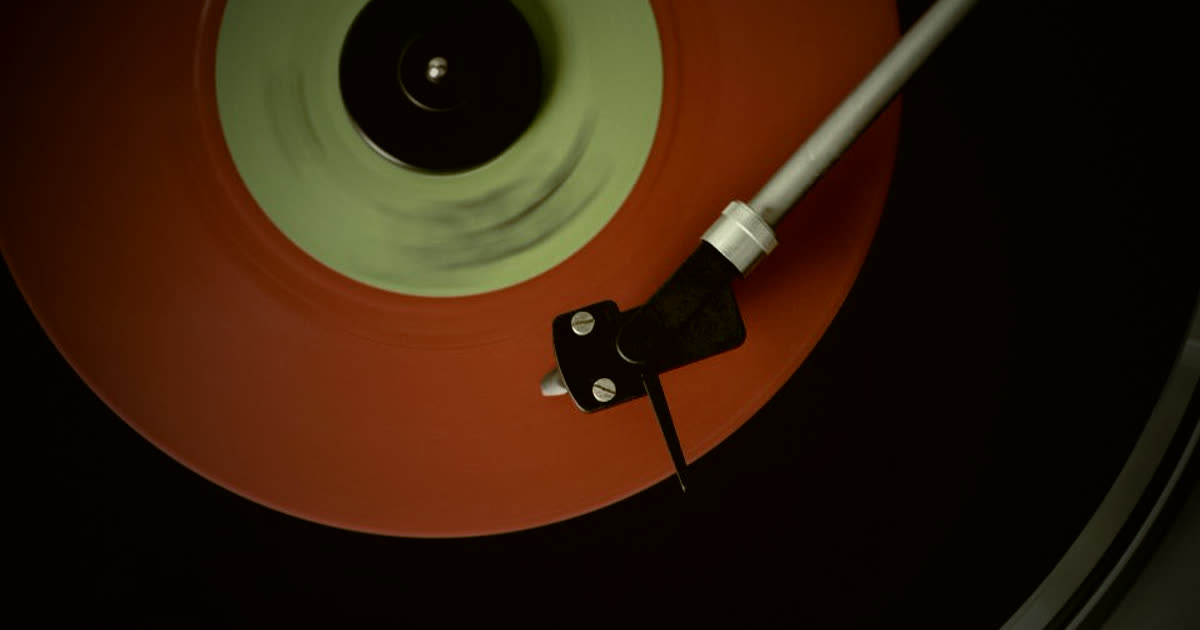
Boom bap has outlived every trend that was supposed to replace it. It's also the single best style to learn to rap over — and that's not nostalgia talking.
Where the name comes from
Literally onomatopoeia: boom is the kick drum, bap is the snare. The pattern that defines the style is a hard kick on beats one and three, a cracking snare on two and four.
The sound came out of late-80s and 90s New York — DJ Premier, Pete Rock, Large Professor, the Bomb Squad — built on sampled loops from jazz, soul and funk records, chopped on hardware samplers with limited memory.
What makes a beat boom bap
Tempo 85–95 BPM. Fast enough to nod, slow enough to speak clearly.
Drums forward in the mix. The kick and snare are the loudest elements. In trap, the 808 carries; here the acoustic drums do.
Sampled, filtered loops. Usually a short phrase from an old record, low-passed so it sits behind the drums. Warm, slightly dusty, often deliberately lo-fi.
Swing, not grid. Hits sit slightly off the metronome. That's the "head-nod" feel, and it's why perfectly quantized boom bap sounds stiff and wrong.
Space in the middle. The frequency range where a voice lives is left relatively clear. This is not an accident — the style was built for MCs.
Why it's the best training ground
If you can rap over boom bap, you can rap over anything. Three reasons:
Nowhere to hide. No autotune convention, no dense wall of sound. Your voice, your writing and your timing are exposed. Weaknesses show up immediately, which means you fix them.
It forces breath control. The tempo demands sustained delivery. You can't coast on ad-libs and repetition.
It rewards writing. Trap can carry a song on energy and melody. Boom bap can't. What you say has to hold attention, which makes it the fastest way to become a better writer.
Plenty of artists who live in trap cut their teeth here. Compare it with the alternative in trap vs boom bap.
How to write over one
Rap on the beat, not around it. Trap flows float over the pulse. Boom bap flows lock to the snare. Feel where beats two and four land and put your emphasis there.
Use full sentences. The tempo gives you room for actual syntax instead of fragments. Storytelling works here better than in any other rap subgenre.
Multisyllabic rhymes shine. The clarity of the mix means listeners catch complex rhyme schemes that would blur in a busier beat. Our rhyme finder groups by syllable count for exactly this.
Don't overload the hook. Classic boom bap hooks are often just a repeated phrase, sometimes scratched. Simplicity fits the style.
Recording considerations
Because the mix is sparse, your vocal quality is more exposed than in dense production. Room noise and sibilance that disappear under a trap beat will be audible here.
Worth reading before you track: recording rap vocals at home and mixing rap vocals.
Sample clearance — ask
Classic boom bap was built on uncleared samples. Modern producers mostly use original compositions or licensed material, but if a beat sounds like a recognizable record, ask the producer directly whether it's sample-free before you release.
Where to find them here
The Boom Bap collection filters the catalog to this lane — 23 beats at the time of writing. Every one previews instantly with a free tagged demo to write over.
Licenses start at $44 for the untagged WAV.
New to this? Start with what type beats are and how to choose one.
Find your next beat
Dark trap & boom bap type beats — ScHoolboy Q, Kendrick, Don Toliver territory. Preview every beat, license in two clicks.
Keep reading
 Craft
CraftHow to Write Over a ScHoolboy Q Type Beat
Flow placement, subject matter, use of space and ad-libs — how to write to west coast production without imitating the artist the beat is named after.
 Genres
ScHoolboy Q's Albums: A Producer's Reference
Album by album, the production teams and sonic shifts across ScHoolboy Q's catalog — written from a producer's angle, for anyone studying the west coast sound.
 Genres
West Coast Drums: Why They Hit Different
A producer's guide to the drum programming behind ScHoolboy Q type beats — snare layering, swing, kick placement, and why quantized drums kill the bounce.